Online Learning Courses in 2026: A Complete Guide to Studying Smarter
The way we learn has changed for good. Online learning courses now let anyone build new skills from home, on a schedule that fits real life. In 2026, digital education is no longer a backup plan. It is often the smartest way to master a subject.
This guide explains how to choose the right online courses, how to stay motivated, and how to turn screen time into genuine expertise. Whether you want a career skill or a new language, the principles below apply.
Why Online Learning Courses Are Thriving
Flexibility drives the boom. Learners study when it suits them, replay lessons, and skip material they already know. That freedom fits busy students, working professionals, and parents alike.
Quality has also improved sharply. According to UNESCO, digital education tools now reach millions of learners who once had limited access to good teaching. High-speed internet and interactive platforms make remote study feel personal.
The Core Advantages
- Learn anywhere with just a device and connection.
- Self-paced progress that respects your schedule.
- Lower costs than most in-person alternatives.
- Instant access to global instructors and resources.
How to Choose the Right Online Learning Courses
Not all courses deliver value. Before you enroll, check who created the course and what outcomes past students achieved. A clear curriculum and real instructor support matter far more than flashy marketing.
Look for courses with structured modules, practice exercises, and feedback. Passive video watching rarely builds skill. Active practice does.
Reputable providers combine expert instruction with a learning path you can follow step by step. Exploring online learning courses from an established academy gives you organized content plus support when you get stuck.
A Simple Checklist Before You Enroll
- Are the instructor’s qualifications clearly listed?
- Does the course include practice and assessment?
- Can you access support or ask questions?
- Are reviews from real, verified learners available?
Comparing Learning Formats in 2026
Different formats suit different goals. The table below breaks down the most popular ways to study online so you can match the format to your needs.
| Format | Best For | Interaction Level | Pace |
|---|---|---|---|
| Self-paced video course | Independent learners | Low | Flexible |
| Live online class | Learners who need structure | High | Fixed schedule |
| One-on-one tutoring | Targeted skill gaps | Very high | Personalized |
| Blended program | Comprehensive mastery | High | Mixed |
Language study is a great example of format matters. Many learners choose to learn languages online through a mix of live sessions and self-paced practice, which builds fluency faster than either method alone.
Staying Motivated Through an Online Course
Motivation is the biggest challenge of remote study. Without a classroom rhythm, it is easy to drift. The solution is structure you create yourself.
Set a fixed study time each day, even if it is only 30 minutes. Consistency beats occasional marathon sessions. Track your progress visibly so you can see momentum build.
Join a community of fellow learners when you can. Accountability partners keep you moving on days when willpower runs low.
An Insider Tip That Actually Works
Use the “two-minute rule” to beat procrastination. Tell yourself you will study for just two minutes. Starting is the hardest part, and once you begin, you almost always continue. This tiny trick removes the mental barrier that stalls so many online learners. Choosing trusted professionals who provide structured lessons makes it even easier to keep showing up.
Turning Course Completion Into Real Skill
Finishing a course feels great, but the goal is lasting ability. Apply what you learn as soon as possible. If you study a language, speak it out loud today, not next month.
Revisit your notes weekly using spaced repetition. This memory technique keeps knowledge fresh long after the final lesson. Build a small project that forces you to use every skill you gained.
Teach someone else what you learned. Explaining a concept out loud exposes gaps in your understanding and locks the knowledge into long-term memory. Even a short explanation to a friend or family member works wonders.
Common Mistakes That Slow Online Learners Down
Many learners start strong then fade. Understanding the usual pitfalls helps you sidestep them before they derail your progress.
The first mistake is passive consumption. Watching video after video feels productive, but skill comes from practice. Pause often and try the technique yourself.
The second is enrolling in too many courses at once. Focus on one until you finish it. Scattered attention produces shallow results across the board.
How to Stay on Track
- Set a single primary learning goal each month.
- Schedule study time on your calendar like an appointment.
- Finish one course before starting the next.
- Review progress every Sunday and adjust as needed.
Choosing Between Free and Paid Courses
Free courses are a great way to explore a subject with no risk. They suit curious beginners testing the waters. However, they often lack structure, feedback, and support.
Paid courses and tutoring programs usually offer clearer paths, real instructor access, and accountability. For skills tied to your career or education, that investment often pays for itself quickly.
A smart strategy is to sample free content first, then commit to a paid program once you know the subject is right for you. This approach balances curiosity with serious progress.
The Future of Online Education
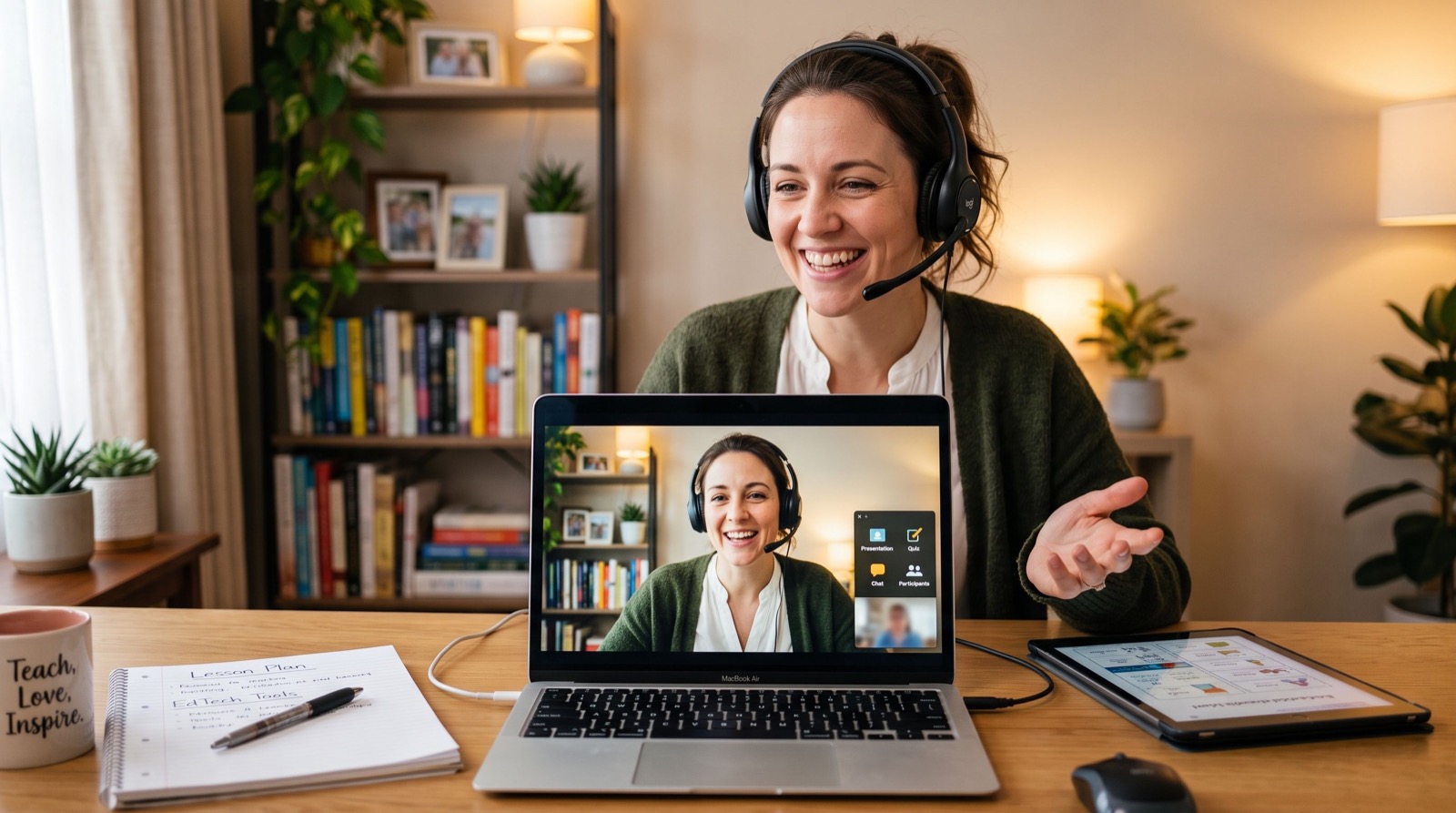
Online learning keeps improving. In 2026, adaptive platforms adjust lessons to your performance, and interactive tools make remote study feel personal. Live tutoring blends seamlessly with self-paced modules.
The trend is clear: education is becoming more flexible, more affordable, and more accessible worldwide. Learners who build strong online study habits now will be well positioned for whatever comes next.
Frequently Asked Questions
Are online learning courses as effective as in-person classes?
Yes, when the course is well designed and you stay engaged. Studies show that active, structured online courses can match or exceed traditional classrooms, especially with instructor support and regular practice.
How long does it take to complete an online course?
It depends on the subject and your pace. Short skill courses may take a few weeks, while comprehensive programs can run several months. Self-paced formats let you decide the timeline.
Do I need special equipment to start?
Usually just a computer or tablet and a stable internet connection. Some courses recommend a headset for live classes, but the barrier to entry is low.
Can I learn a language entirely online?
Absolutely. Many learners reach fluency using online lessons combined with speaking practice. A blend of live tutoring and self-study delivers the strongest results.
Final Thoughts
Online learning courses put world-class education within everyone’s reach in 2026. The keys to success are choosing quality content, building a steady routine, and applying skills in the real world.
Pick a course that fits your goals, commit to consistent practice, and stay connected to a supportive community. With the right approach, remote study becomes one of the most rewarding paths to growth.