Pet Waste and Health: What Every Dog Owner Should Know in 2026
Pet waste and health are far more connected than most dog owners realize. In 2026, as awareness of zoonotic disease grows, understanding the real risks hiding in dog feces has never been more important. This is not fear-mongering; it is practical knowledge that helps you protect your family, your pets, and your neighbors with a few simple habits. Let us break down what pet waste actually contains and how to handle it safely.
The core message is reassuring: the risks are real but entirely manageable. Prompt, consistent cleanup neutralizes nearly all of them.
What Is Actually in Dog Waste?
Dog feces is a dense mix of bacteria, parasites, and viruses. A single gram can contain millions of coliform bacteria. More concerning are the parasites, which can persist in soil long after the visible waste is gone.
- Roundworms and hookworms: Can infect humans, especially children
- Giardia: Causes intestinal illness in pets and people
- Salmonella and E. coli: Bacterial contamination risks
- Parvovirus: A serious threat to unvaccinated dogs
How These Risks Reach People
Transmission usually happens through contaminated soil. Parasite eggs shed in feces can survive for months, and people, particularly children playing outside, ingest them accidentally through hand-to-mouth contact. The Centers for Disease Control and Prevention recognizes toxocariasis, caused by roundworm larvae, as a genuine public-health concern in the United States.
Pets are also at risk. A dog can reinfect itself by sniffing or stepping in old waste, which is why clearing the yard protects your own animal as much as anyone.
Why Prompt Removal Is Your Best Defense
The single most effective protection is speed. Removing waste before parasite eggs have time to become infectious dramatically reduces risk. Fresh waste that is picked up promptly and bagged securely never gets the chance to contaminate soil.
Keeping a Pooper scooper by the back door turns daily cleanup into a thirty-second habit, which is the foundation of a healthy yard.
Risk Reduction by Habit
| Cleanup Habit | Parasite Risk | Family Safety |
|---|---|---|
| Same-day removal | Very low | High |
| Every few days | Moderate | Medium |
| Weekly or less | High | Low |
Safe Handling Practices
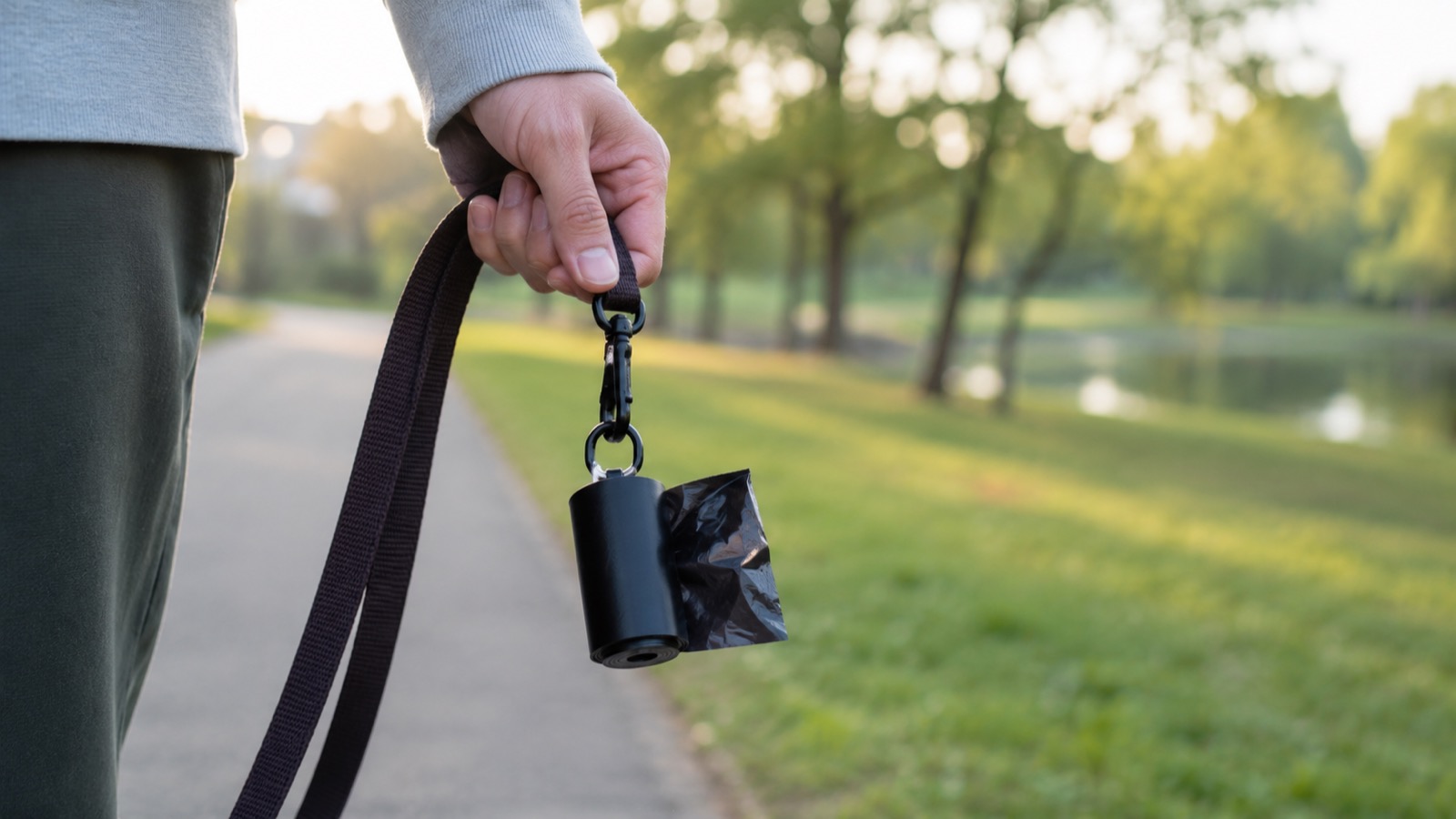
Beyond speed, technique matters. Always bag waste securely, wash your hands after handling it, and never let waste wash into storm drains or garden beds. For households that struggle to keep up, professional help makes a real difference. A dependable Pooper Scooper nearby service ensures the yard is cleared on a strict schedule, removing the human error of forgetting.
When you need thorough, reliable upkeep, dependable specialists can maintain a sanitation routine that keeps health risks consistently low all year.
Protecting Children and Immunocompromised Family Members
Kids and anyone with a weakened immune system face the highest risk from pet waste pathogens. Keep play areas strictly waste-free, teach children to wash their hands after outdoor play, and consider fencing off potty zones from recreational space. These small boundaries add a meaningful layer of protection.
Sandboxes deserve special attention, since they can attract neighborhood animals and become a hidden contamination point. Covering them when not in use is a simple, effective safeguard.
Pet Waste and Water Contamination
The risk extends beyond your yard. When rain washes uncollected waste toward storm drains, the bacteria and nutrients flow untreated into local streams and lakes. This degrades water quality and can contribute to beach closures and algae blooms in your community, which is why responsible disposal is a neighborhood issue, not just a personal one.
Bagging waste and placing it in the trash, rather than letting it sit or hosing it into a drain, breaks this pollution pathway entirely. It is one of the easiest environmental contributions a dog owner can make.
Simple Habits That Cut Risk
- Remove waste the same day, every day
- Always wash hands after handling or scooping
- Keep play areas and sandboxes waste-free
- Deworm pets on your veterinarian’s schedule
Why Consistency Beats Intensity
A single big cleanup does little if waste accumulates again for a week. The pathogens that pose the greatest risk develop over time, so daily removal, even if quick, protects your family far better than an occasional deep clean. Building a small, reliable habit is the real key to a healthy yard.
Recognizing When Your Dog Has a Problem
Waste is also a window into your dog’s health. Sudden changes in color, consistency, or frequency can signal illness, parasites, or dietary issues worth discussing with your veterinarian. Owners who handle cleanup consistently tend to notice these red flags early, which is a quiet but real benefit of staying on top of the chore.
- Persistent diarrhea or unusually loose stool
- Visible worms or blood in the waste
- A sudden change in color or strong odor
- Straining or a noticeable drop in frequency
If you spot any of these, bag a sample and consult your vet. Early detection often makes treatment simpler and less costly, and it protects the rest of your household from anything contagious.
Frequently Asked Questions
Can dog poop make humans sick?
Yes. Dog waste can transmit parasites like roundworms and hookworms, plus bacteria such as salmonella. Children are most vulnerable through contact with contaminated soil, which is why prompt removal is essential.
How long do parasites survive in the yard?
Some parasite eggs, like those of roundworms, can survive in soil for months under the right conditions. This is why removing waste quickly, before eggs become infectious, is so effective at reducing risk.
Is it safe to compost dog waste at home?
No. Home compost rarely reaches temperatures high enough to kill pathogens, so composted dog waste can contaminate soil and plants. Bag it and dispose of it in the trash instead.
Does prompt cleanup really lower health risks?
Significantly. Fresh waste removed the same day rarely has time to spread infectious parasites. Consistent daily cleanup is the single most impactful habit for protecting your family and pets.
Teaching Kids Safe Pet Habits
Children benefit from learning early that pet waste is not something to touch or play near. Simple, age-appropriate lessons about washing hands after outdoor play and staying out of potty zones build habits that protect them for life. Framing it positively, as caring for the dog and staying healthy, works better than fear.
Older kids can even help with cleanup using a kid-friendly scooper, which teaches responsibility while reinforcing good hygiene. When the whole household understands the basics, your yard becomes a genuinely safe space for everyone who uses it.
Conclusion
Pet waste and health are tightly linked, but the solution is refreshingly simple in 2026: remove waste promptly, handle it hygienically, and keep play areas clean. With a good scooper, secure bags, or a reliable service, you can eliminate nearly all the risk. Make same-day cleanup your habit and give your family a genuinely safer yard.