Commercial Solar in Pakistan 2026: A Guide for Factories, Shops and Offices
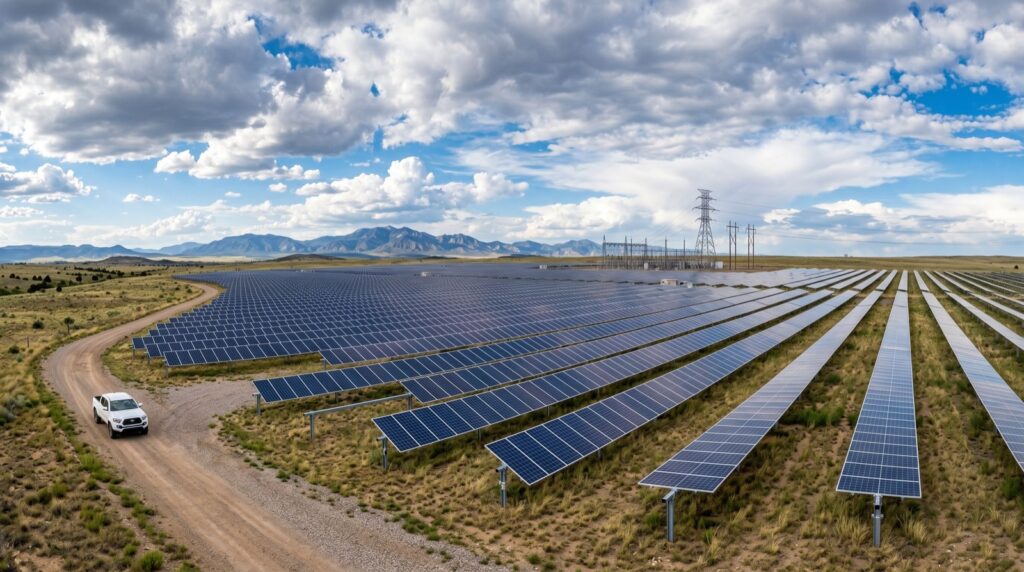
Commercial solar in Pakistan has shifted from a nice-to-have to a competitive necessity in 2026. Rising industrial tariffs, unpredictable outages, and pressure from buyers for greener supply chains all point the same direction: businesses that generate their own power protect their margins. This guide explains how factories, retail outlets, and offices can adopt rooftop solar profitably and what to plan for before installation.
Unlike a home system, a commercial array is a strategic asset that touches your production uptime, your cost base, and your brand.
Why Commercial Solar in Pakistan Pays Off Faster
Businesses often see quicker payback than households because they consume most of their power during daylight, exactly when panels produce. That daytime match means a larger share of generation is used on site rather than exported, maximising the value of every unit.
Industrial electricity is also among the most expensive per unit, so each kilowatt-hour you self-generate saves more. The International Energy Agency highlights that commercial and industrial rooftops represent one of the largest untapped opportunities for cost-effective solar deployment.
The three business benefits
- Lower operating cost — predictable energy expense for decades
- Resilience — hybrid systems keep critical loads running during outages
- Sustainability credentials — a genuine story for clients and auditors
Matching System Type to Your Operation
The right configuration depends on how sensitive your operation is to power cuts and whether you run at night.
| Business Type | Best Configuration | Key Priority |
|---|---|---|
| Daytime factory | Grid-tie | Maximise daytime self-consumption |
| Retail / showroom | Grid-tie or small hybrid | Cut bills, keep lights on |
| Cold storage | Hybrid with battery | Protect against spoilage |
| Office building | Grid-tie | Offset AC and equipment load |
| Remote site | Off-grid hybrid | Independence from the grid |
Planning a Commercial Installation Step by Step
A disciplined process avoids costly surprises. Follow these stages.
- Energy audit. Analyse twelve months of bills to understand load shape and peak demand.
- Roof assessment. Confirm structural capacity, orientation, and usable area.
- System design. Size the array and inverters to your daytime consumption.
- Net-metering strategy. Decide how to handle surplus and file utility paperwork.
- Installation and commissioning. Schedule work around production to minimise downtime.
- Monitoring plan. Set up reporting so finance and operations can track savings.
Because industrial roofs and DISCO procedures vary by region, working with trusted professionals who have completed commercial projects in your city prevents the delays that plague first-time installers.
Financial Structures for Businesses
Companies have more financing options than households. Beyond outright purchase, some access bank solar loans, and larger operations may explore lease or power-purchase arrangements where a provider owns the system and sells you the power.
Weighing the options
- Cash purchase — best long-term return, full ownership of savings
- Bank financing — spread cost, often instalments below current bills
- Lease / PPA — low upfront cost, provider handles maintenance
Whichever route you choose, insist on quality components. A cheap inverter that trips during a production shift costs far more in lost output than it ever saved at purchase.
Regional Considerations Across Pakistan
Industrial belts differ in climate and grid behaviour. A textile plant sourcing solar installation in Faisalabad faces dust and heavy daytime motor loads, while an enterprise arranging solar installation in Lahore may prioritise office cooling loads and dense urban rooftops. Matching the design to local conditions is essential for a commercial-grade result.
Don’t overlook after-sales support
For a business, downtime is money. Choose an installer with a service team that can respond quickly, stock spare parts, and maintain your monitoring so faults are fixed before they dent production.
Measuring and Reporting Your Savings
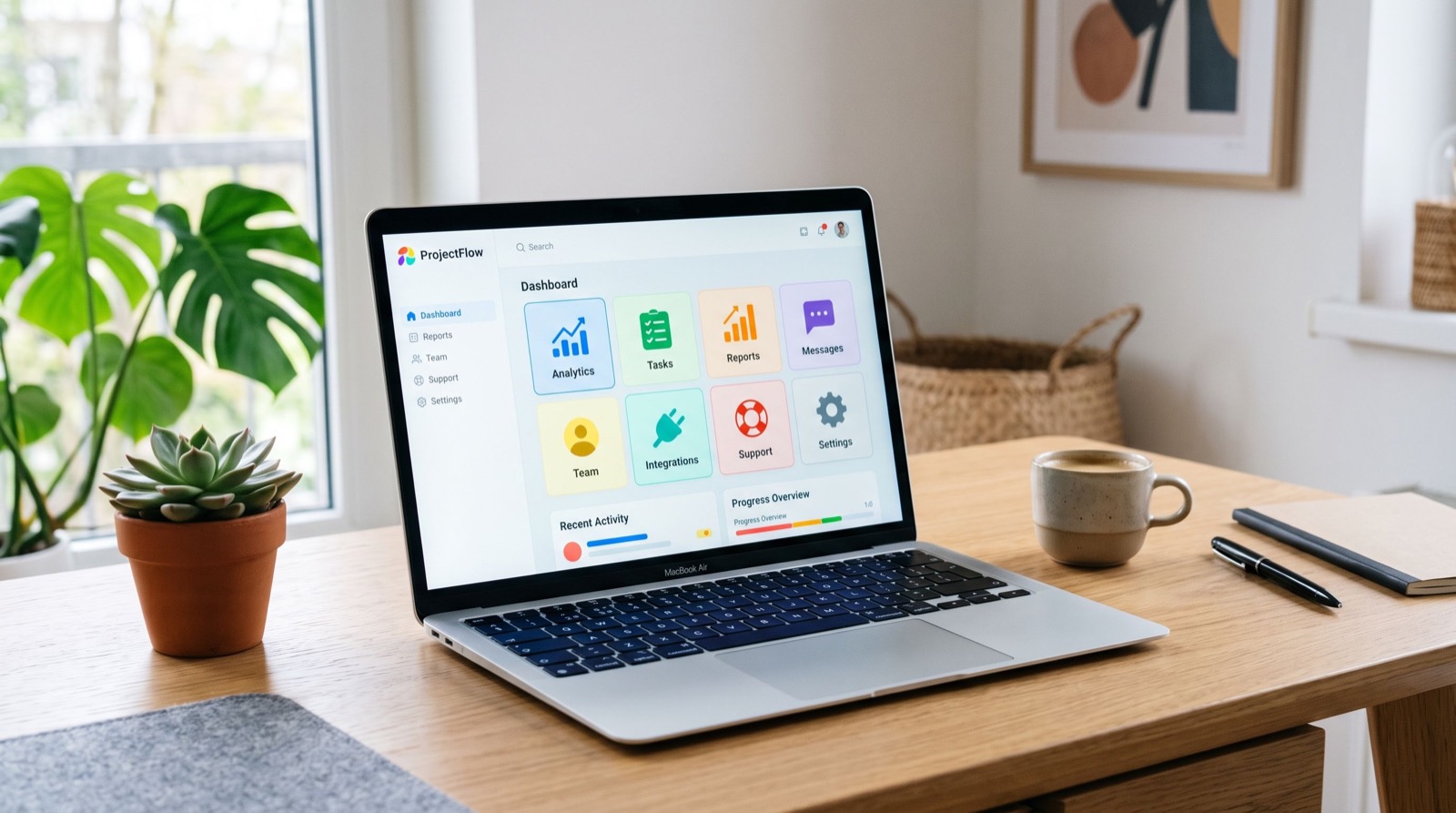
For a business, a solar array is only as convincing as the numbers it produces. Set up monitoring that your finance team can read at a glance, showing daily generation, self-consumption, and the resulting reduction in grid purchases. When savings are visible on a dashboard, the investment justifies itself month after month.
Good reporting also supports your sustainability claims. If clients or auditors ask how much carbon you have offset, a proper monitoring system gives you defensible figures rather than guesses. That evidence increasingly matters when you tender for contracts with buyers who scrutinise their supply chains.
Metrics worth tracking
- Daily and monthly generation against forecast
- Share of load met by solar versus the grid
- Rupee value of energy self-generated each month
- System uptime and any fault durations
Review these figures quarterly alongside your utility bills. Over a year, the pattern tells you whether the system is performing to specification and flags any drift early, before it quietly erodes the returns you planned for when you first committed to the project.
Frequently Asked Questions
Is commercial solar in Pakistan worth it in 2026?
Yes. Businesses consume power during daylight when panels produce most, and industrial tariffs are high, so self-generated electricity delivers strong, predictable savings and often a faster payback than residential systems.
How much roof space does a commercial system need?
It scales with system size, but commercial arrays require substantial contiguous roof area. An energy audit and roof assessment determine the exact capacity your building can support.
Can solar keep my business running during load shedding?
A hybrid system with batteries can power critical loads during outages. Pure grid-tie systems shut off during a grid failure for safety, so operations needing backup should specify hybrid.
What financing options exist for commercial solar?
Businesses can buy outright, use bank solar loans, or in some cases enter lease or power-purchase arrangements where a provider owns the array and sells the electricity, reducing upfront cost.
One practical tip from real commercial projects: schedule the physical installation during a planned maintenance shutdown or a slower production week. Coordinating the crew with your operations calendar means the roof work causes almost no disruption, and commissioning happens before your busy period resumes. Businesses that plan this well barely notice the transition, yet start banking savings immediately.
Conclusion
Adopting commercial solar in Pakistan in 2026 is a sound strategic move that lowers operating costs, adds resilience, and strengthens your sustainability story. Start with a proper energy audit, match the system type to your operation, choose quality components, and partner with an installer who offers fast after-sales support. Done right, your rooftop becomes a long-term profit centre that shields your business from every future tariff hike.